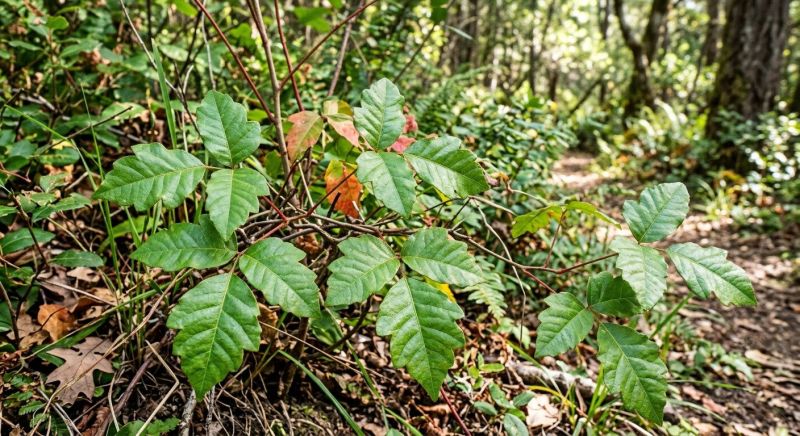
Poison Oak Removal in Philadelphia, PA
Poison oak removal services involve the safe and effective elimination of poison oak plants from residential properties. This service is often requested for projects such as clearing overgrown areas, maintaining landscaped yards, or preparing outdoor spaces for recreational use. Property owners typically want to understand the scope of the removal process, including how the plants will be identified and eradicated, as well as any precautions needed to prevent skin irritation or allergic reactions during and after the work.
Before requesting poison oak removal, property owners should consider the extent of the growth, the location of the plants in relation to other landscape features, and any nearby outdoor activities or gardens. Clear communication about the size of the affected area and any specific concerns can help ensure the removal process is thorough and safe. Proper disposal of the plants is also an important aspect, preventing regrowth and protecting others from exposure.
Many property owners in Philadelphia, PA look into Poison Oak Removal for repairs, replacements, upgrades, and appearance-related improvements.

Poison Oak Removal For Property Safety
Removing poison oak helps protect families and pets from skin irritation and allergic reactions.
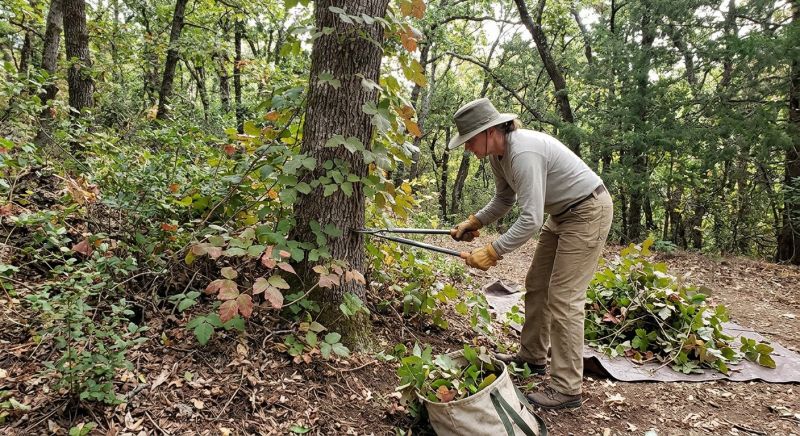
Clearing Overgrown Areas
Poison oak removal is often needed in overgrown yards, wooded areas, or along fences around philadelphia homes.
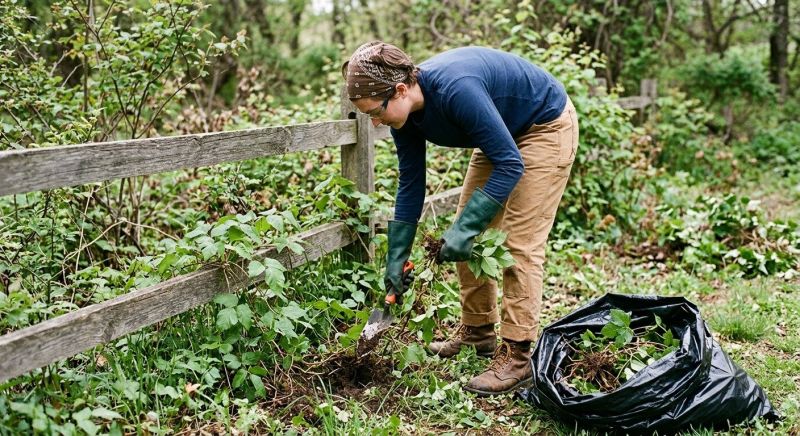
Maintaining A Safe Landscape
Regular removal services help keep outdoor spaces safe and enjoyable for outdoor activities and gardening.
Poison Oak Removal in Philadelphia, PA

Poison oak removal services involve the safe and effective elimination of poison oak plants from residential properties. This service is often requested for projects such as clearing overgrown areas, maintaining landscaped yards, or preparing outdoor spaces for recreational use. Property owners typically want to understand the scope of the removal process, including how the plants will be identified and eradicated, as well as any precautions needed to prevent skin irritation or allergic reactions during and after the work.
Before requesting poison oak removal, property owners should consider the extent of the growth, the location of the plants in relation to other landscape features, and any nearby outdoor activities or gardens. Clear communication about the size of the affected area and any specific concerns can help ensure the removal process is thorough and safe. Proper disposal of the plants is also an important aspect, preventing regrowth and protecting others from exposure.
Many property owners in Philadelphia, PA look into Poison Oak Removal for repairs, replacements, upgrades, and appearance-related improvements.
Common Poison Oak Removal Jobs
Poison Oak Removal - safely eliminates poison oak from residential yards and landscapes.
Yard Clearing - removes poison oak to restore safe outdoor spaces for families and pets.
Brush and Bush Removal - targets overgrown areas with poison oak to prevent spreading and exposure.
Landscape Maintenance - includes poison oak removal as part of regular yard upkeep.
Property Clearing - clears poison oak from wooded or overgrown lots to improve safety and accessibility.
Vegetation Control - manages poison oak growth to protect landscaping and prevent future growth.
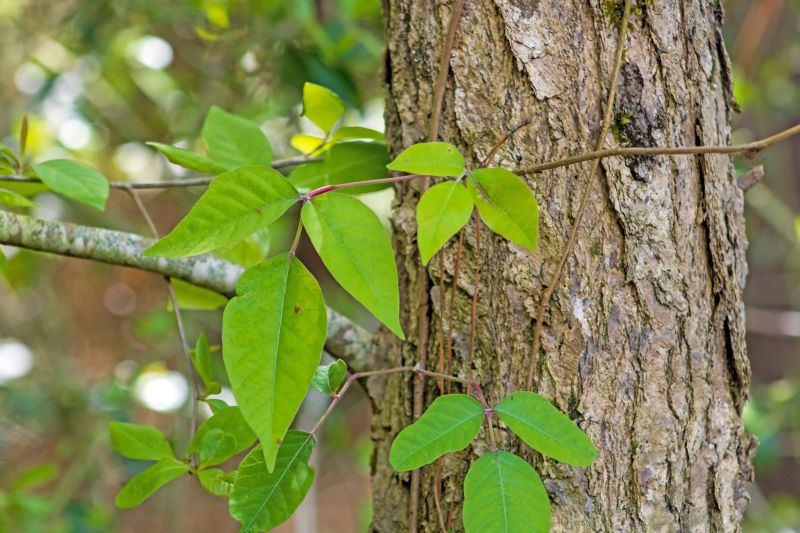
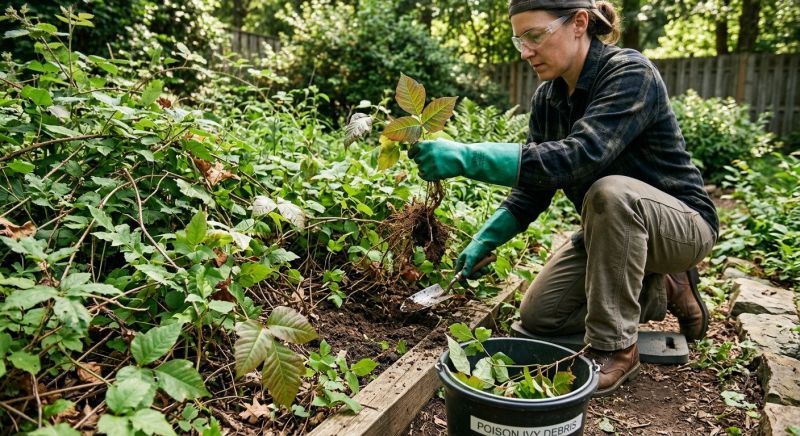
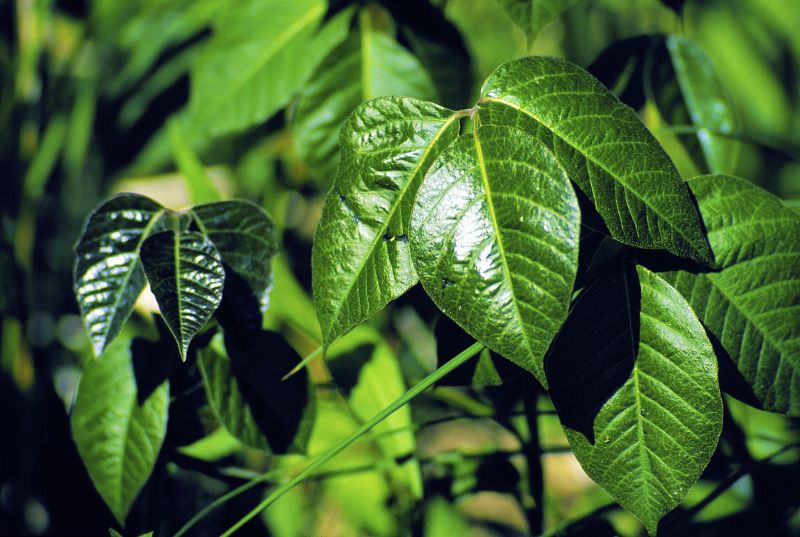
Poison Oak Removal Questions
What is poison oak removal? Poison oak removal involves safely eliminating the plant to prevent skin irritation and protect outdoor spaces.
When should poison oak be removed? Removal is recommended when poison oak is present in high-traffic areas or poses a risk to children, pets, or visitors.
How is poison oak removed? The process typically includes manual cutting, herbicide application, and proper disposal of the plant material.
Is professional poison oak removal necessary? Professional removal ensures safe and effective elimination, especially in hard-to-reach or extensive growth areas.
Request Poison Oak Removal in Philadelphia, PA
Use the quote form on this page to share the basics of your project and request more information for the type of work you need.